
Clermont County Court Docket Searches
Every Clermont County court docket lives with a specific court. Figure out which one before you search. Adult felony charges and larger civil suits sit in Common Pleas General Division. Traffic tickets, misdemeanors, small claims, evictions, and other municipal civil matters belong to Municipal Court. Domestic Relations, Probate, and Juvenile each run their own access path. Is the court unclear? The Clermont clerk hub is the sensible first stop. That makes it the natural starting point for a Clermont County docket search.
The case number is your best routing clue. Common Pleas numbers look like 2026 CR 000444 or 2025 CVP 74981. Municipal patterns include 2026 TR C 15112 and 2025 CR B 10160. Prefixes and spacing help. The court named on your notice controls. One more caution applies to how fresh the online results are. A docket result can lag behind a recent filing. A blank result means call the matching clerk, not that no court record exists.
- Read the notice or case number for the court and case type.
- Open the official court-specific access route from the Clermont clerk hub.
- Use the number or the portal's available name search, then confirm the court and file date.
- Read the chronological docket entries and any listed setting before relying on a calendar snapshot.
- Ask the responsible clerk for a document image or certified copy when the docket alone is not enough.
Clermont CourtView Docket Routes
Clermont runs its public case access on CourtView Justice Solutions. There is no single countywide search. The Common Pleas clerk links separate public entries for General Division and Domestic Relations. Municipal Clerk posts one combined Criminal-Traffic-Civil entry. Probate and Juvenile sit behind distinct portals of their own. Common Pleas and some other routes show terms or a CAPTCHA before the search screen. Treat the portal paths and access limits as the fixed facts. The official clerk hub lays out these court-specific choices. It spares you a wrong-portal docket search.
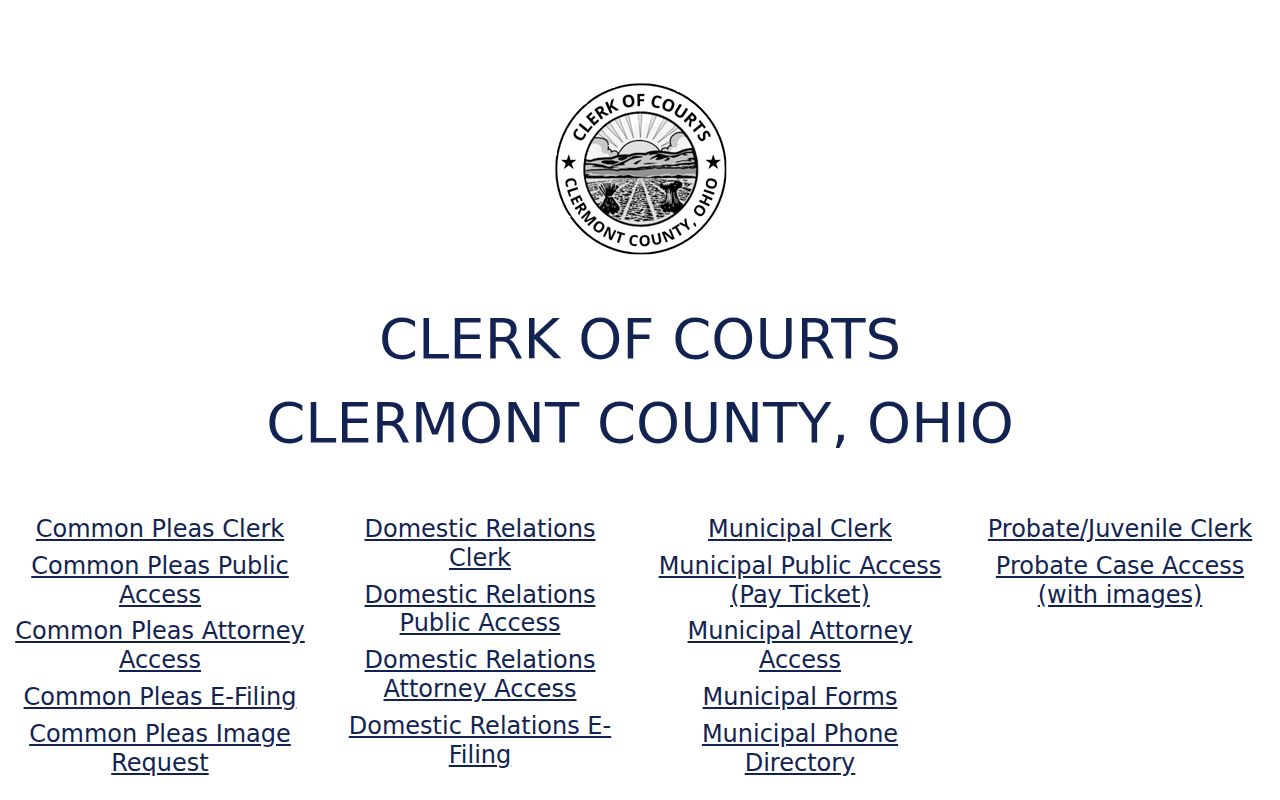
Because access splits that way, any Clermont County docket search starts with subject matter and court level.
Court Dockets: What They Show
In Clermont, a docket is the clerk's chronological record. It covers everything filed or generated in a case. Locals also use the same word for a judge's daily hearing schedule. Those are two different tools. The case docket tracks how a file has progressed. The schedule tells you when a listed event is set. Neither one hands you every underlying document image automatically. What displays varies with the court, the case type, and access rules. The Common Pleas clerk glossary sorts out the differences among a filed record, a journal entry, service, and a judgment.
| Case number | Routes the file to the Clermont court and division that assigned it. |
|---|---|
| Parties and caption | Identify the case heading and the roles of the people or entities involved. |
| Entries and filings | Show dated actions such as a complaint, indictment, motion, service, or journalized entry. |
| Settings | Show scheduled events such as arraignment, pretrial, conference, trial setting, or sentencing. |
| Orders and disposition | Record court action, but a final entry must be read for its actual effect. |
Note: when a portal shows no image, the public interface simply did not supply it. That does not mean the document was never filed.
Clermont Docket Terms and Codes
Case-number families are handy Clermont shorthand. They never replace the court name. Common Pleas uses CR for criminal filings plus civil families like CVP and JUD. Municipal Court works with its own CR, CV, and TR patterns. Probate uses ES, ML, and TT. Juvenile uses JA, JD, and JX. The clerk publishes no full CourtView code legend, so never expand an abbreviation by guesswork. The local docket glossary gives plain-language context for the record terms you will meet.
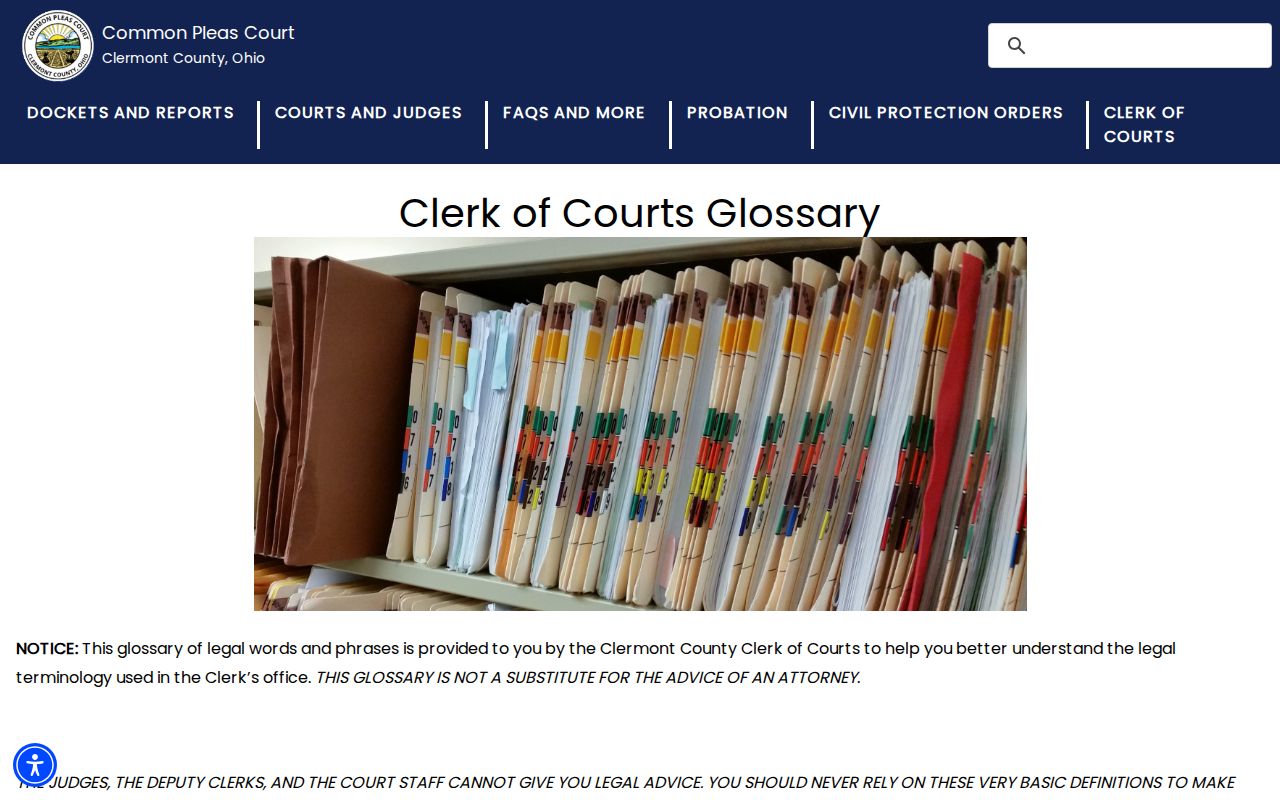
Reading the court name next to the number beats trusting a prefix alone every time.
- Docket
- The clerk's official event and filing record, or locally a judge's schedule.
- Entry
- A recorded court action, order, ruling, or other event.
- Continuance
- An approved postponement, not merely a request to move a date.
- Certified copy
- A clerk-authenticated copy, distinct from a portal view or ordinary page copy.
Clermont County Courts and Their Dockets
Clermont County splits its clerk offices along court lines. Adult felony indictments and major civil matters go to Court of Common Pleas General Division. Municipal Court holds its own records. They cover adult criminal, traffic, small-claims, eviction, and limited civil matters. Specialized subject matter can push a case into Domestic Relations, Probate, or Juvenile even when a money threshold seems to point elsewhere. Ohio's trial-court overview gives the statewide framework. Clermont's own court pages name the local record keeper for each docket.
| Court | Docket covers | Where to search |
|---|---|---|
| Common Pleas General | Adult felonies; general and major civil cases | Common Pleas Clerk and CourtView |
| Municipal Court | Traffic, misdemeanors, civil cases up to $15,000, small claims, eviction | Municipal Clerk and combined CourtView |
| Domestic Relations | Divorce, custody, support, dissolution, non-criminal domestic violence | Domestic Clerk and separate CourtView |
| Probate and Juvenile | Estates, guardianship, youth matters, juvenile traffic | Separate court access routes |
That hierarchy also explains why repeating a trial-court search never surfaces an appeal. Clermont County appeals go to the Ohio Twelfth District Court of Appeals. It opens its own case record for the appeal. The Common Pleas and Municipal fee schedules list a Twelfth District appeal deposit, but filing there does not fold the appellate docket into the original Clermont trial record. Anyone tracking an appeal needs the receiving court and the new case number. Mayor's Courts add a further local layer. Their limited city jurisdiction never replaces Municipal Court for these matters. A transferred matter can pick up a Municipal Court docket. An adult felony stays in Common Pleas General Division. Whenever a city-originating matter changes level, check the court name on the citation, complaint, or entry again.
Clermont Clerk Docket Divisions
The Common Pleas clerk keeps General Division civil and criminal files and links Domestic Relations access. A separately elected Municipal Clerk maintains Municipal Court records. The split matters in practice. A Common Pleas search will not hold a Municipal traffic docket. A Municipal result is not a Probate document image. The official Common Pleas Clerk page describes the General Division and its separate records route.
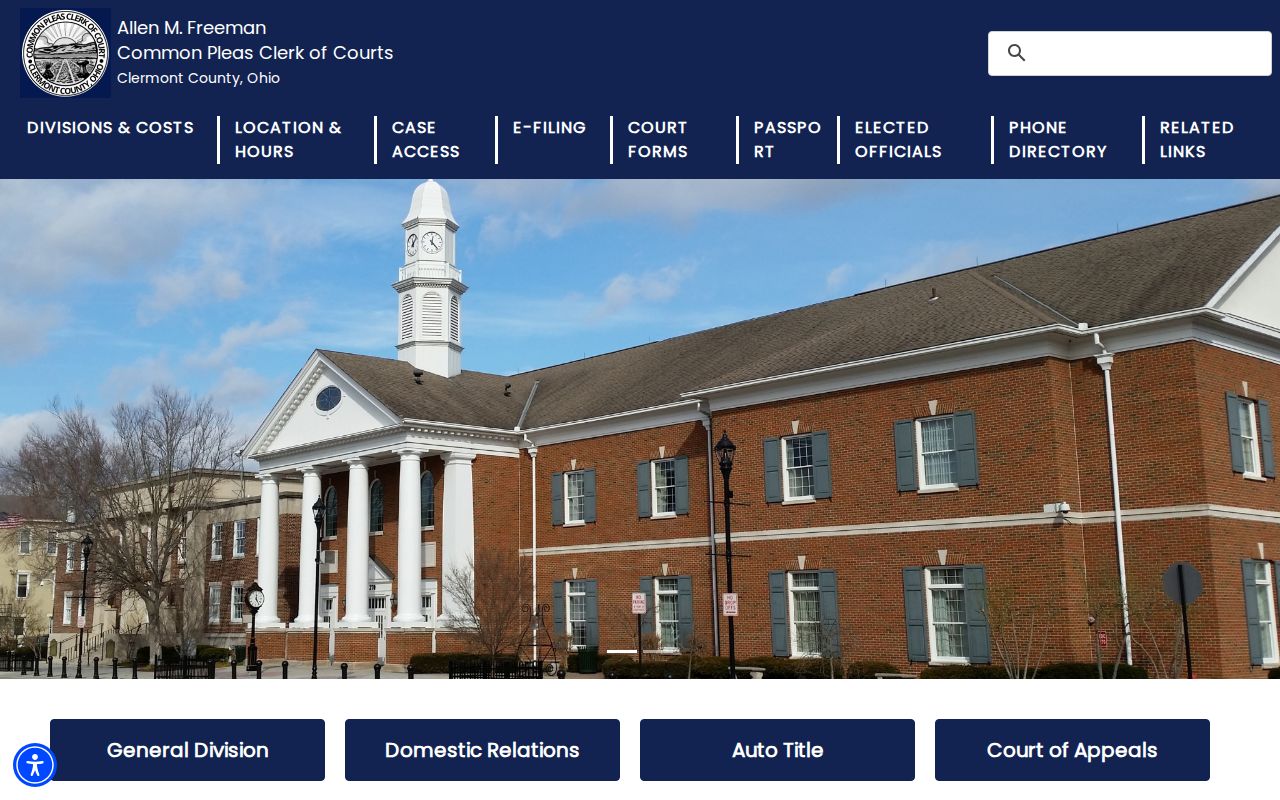
The page confirms that Clermont County docket access is organized around the court that holds the file.
Court Dates and Settings in Clermont County
A Clermont County docket entry tells only part of the story before a hearing. Schedules move. A continuance, a guilty plea, or a settlement can reset anything the court already posted. Check the weekly judge schedules on the Dockets and Grand Jury Reports page. That page lists Common Pleas settings in advance. Match the case number, judge, date, time, and event. A scheduling conference is not a trial setting.
Municipal Court posts no public calendar search. The ticket or notice gives the hearing date and time, and the Clerk takes questions. See the Clermont County court schedule page for the full local confirmation path.
Clermont Assignment Office Schedules
Need to confirm a General Division setting at the last minute? Call the Clermont County Assignment Office at 513-732-7108. This office, not the case-search portal, keeps the future trial and hearing calendars for Clermont County Common Pleas. Judges set the schedule. The Assignment Office maintains it, sending notices and handling scheduling calls. One caution: a continuance request alone does not create a new court date. The assigned judge must grant relief first, and then Assignment picks the replacement setting. The Assignment Office FAQ walks through how this scheduling role works.
The Clermont Probate and Juvenile Court page covers that separate court's records and services.
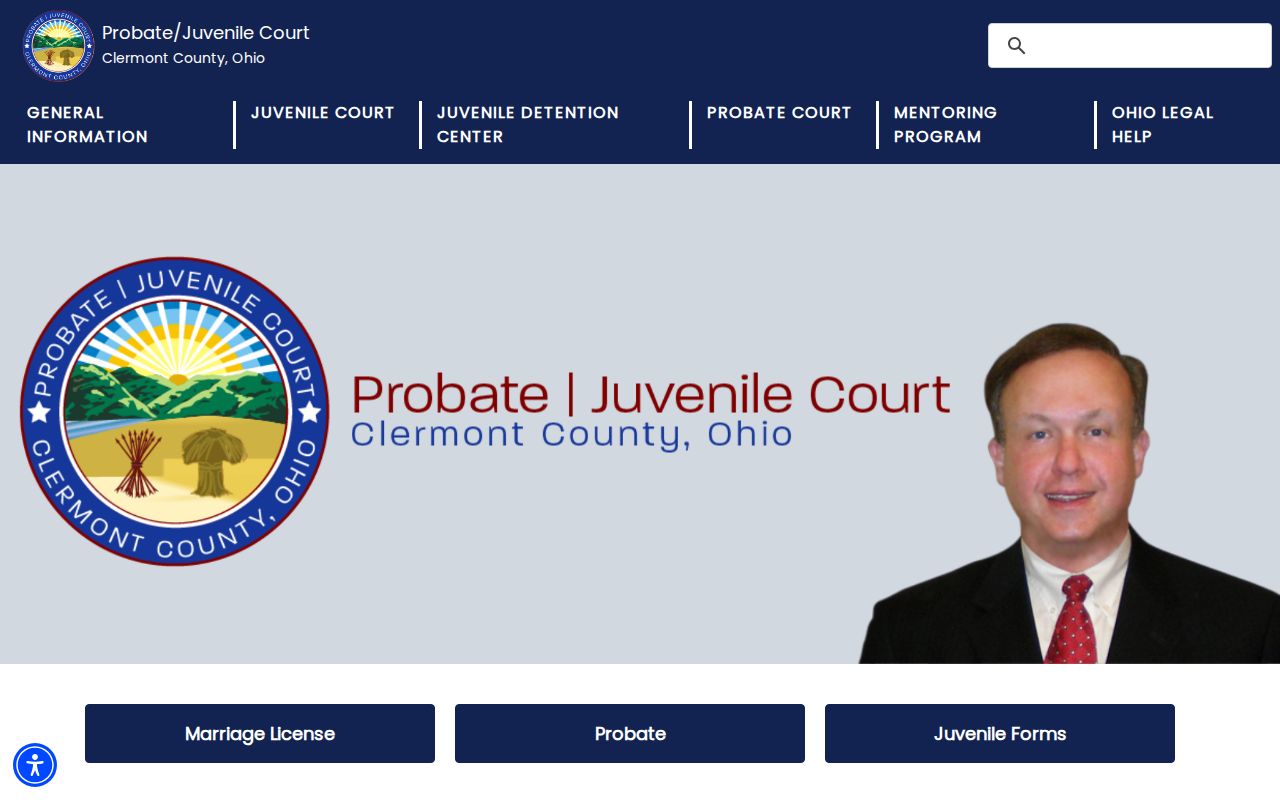
Probate and Juvenile sit at separate locations. Confirming which court holds your case before chasing a docket or calendar route saves a wasted trip.
Docket Access Under Ohio Law
Court rules and the clerk who keeps the file govern Ohio court records first. The Ohio Public Records Act still matters. It covers administrative records and local policy, but it cannot override court rules on identifiers, remote access, redaction, or restricted case documents. Clermont Municipal's policy allows inspection during regular hours, with staff accompanying review of original records.
Public access does not put every image online. Local portals leave out civil domestic-violence petitions. Probate allows remote case information but no electronic images of case documents. Juvenile records follow their own confidentiality and sealing rules.
Key Ohio rules for Clermont court records:
Sup.R. 11.09-11.16 sets the current framework for court-record access, remote access, identifiers, and restrictions.
R.C. 2303.12 directs Common Pleas clerks to keep dockets and provide reproduction access, subject to limits.
R.C. 2303.901 describes case documents and protects personal identifiers and restricted material.
R.C. 149.43 is Ohio's Public Records Act and supports inspection and copies subject to exemptions.
Clermont Court Docket Access Limits
An empty Clermont docket search can mean several things. Older records often never appear online. Common Pleas records before January 1, 1988 stay in the clerk's office, and Municipal records before May 1, 1996 use the Municipal Clerk office fallback. A filing may also be too recent for a portal update, held by a different division, or restricted by rule or order. A blank result is not a conclusion. It is a prompt to check with the clerk. The Ohio Supreme Court's eStats public reports tool reports statewide caseload data, so it does not replace a Clermont case docket lookup.
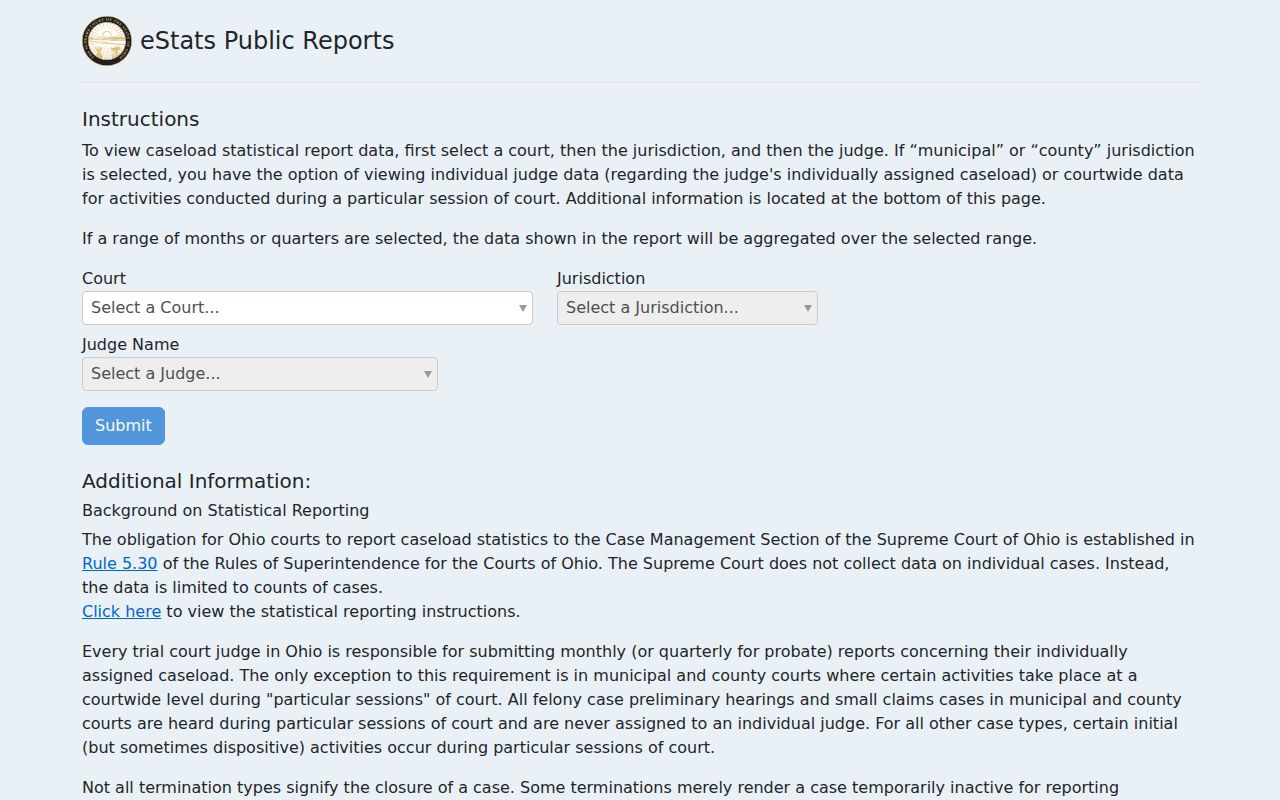
eStats reports court caseload data by selected court and date range. CourtView routes you to individual Clermont case records.
How the Clerk Keeps Docket Records
The Clermont County Clerk of Courts keeps Common Pleas General Division records. It also runs the county's Domestic Relations clerk path. Adult felony or general-civil records go through the General Division counter. The Municipal Clerk separately maintains Municipal traffic, criminal, and civil dockets. A filed document request belongs with the clerk. Sudden Common Pleas setting questions go to the Assignment Office.
Copies carry fees. Common Pleas charges $0.10 per page for ordinary copies under its published General Division information. Certified copies run $2.00 per page. Municipal's published pricing is also $0.10 per ordinary page. Its current schedule sets a certified record at $5 plus $0.10 per page. Confirm a particular order before paying.
Common Pleas General Division Clerk
270 E. Main Street
Batavia, OH 45103
513-732-7130
Who you contact depends on the request. For a transcript or courtroom recording, Common Pleas points to its Court Reporter at 513-732-7125. A Domestic Relations decree copy comes from the Domestic Clerk, by email or at 513-732-7832. Municipal has its own records-request process. Its written policy allows prompt inspection during regular business hours, with staff accompanying review of original records. Those channels beat portal refreshing. Local records history has cutoffs too.
Common Pleas records before January 1, 1988 stay in-office. Municipal records before May 1, 1996 go to the Municipal Clerk. Give the office the court, the approximate year, a case number if known, and the exact document or docket needed. That detail speeds an archive search. It also keeps a missing online result from being mistaken for an answer.
Clermont Court Record Requests
A Clermont County court docket lists events. It is not always a full document archive. For Common Pleas General Division, the clerk accepts an online image request. That form asks for a case number, docket codes, and document dates. Municipal records work differently. The Clerk's PDF form can go by mail, fax, or in person. Domestic decree copies follow a separate clerk email and phone path. Probate, in turn, sends document-image requests to its court counter. The Common Pleas request form shows exactly what the clerk needs to pull a particular docket document.
The Ohio judicial-system structure page explains how the state's courts, including Clermont County's, fit together.
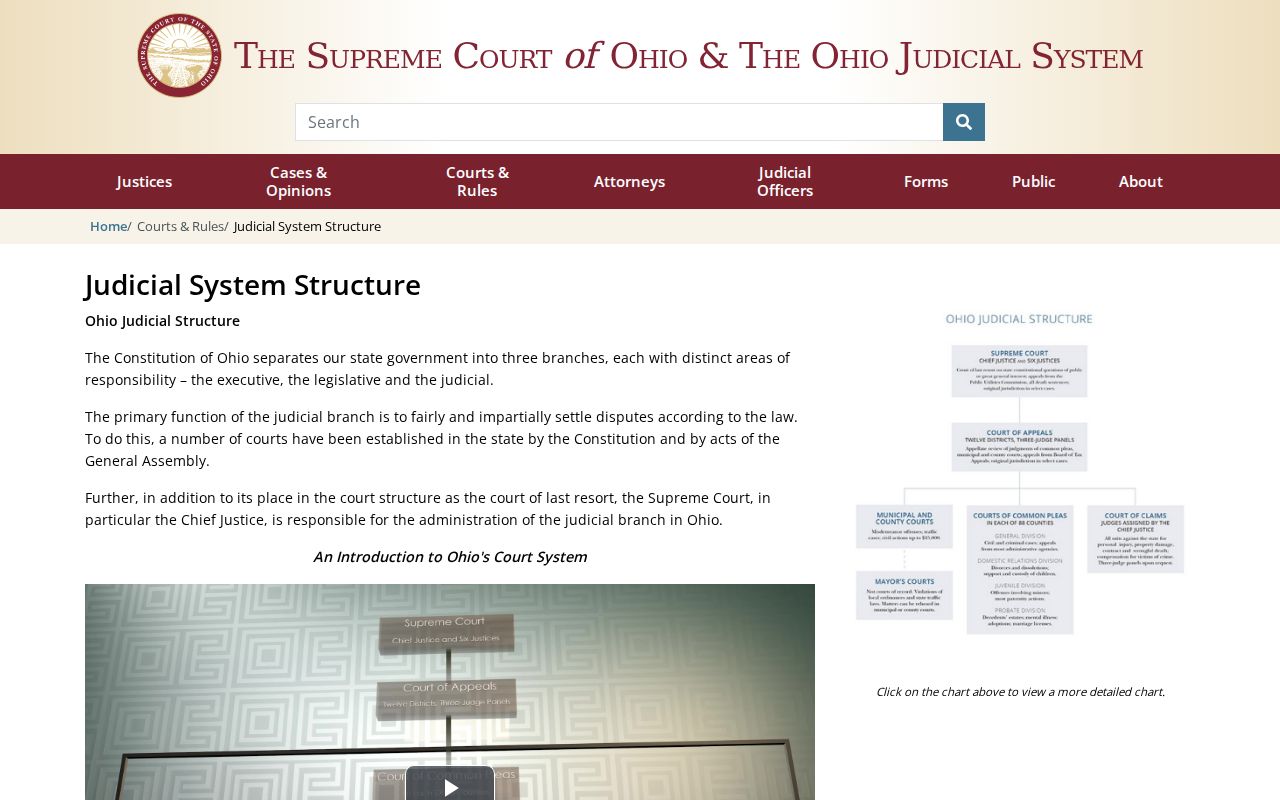
Ohio stacks its courts in levels. Knowing the right clerk, court, and case level is what makes a Clermont record request work.
City-by-City Court Dockets in Clermont County
Clermont County's five largest incorporated municipalities each run an active Mayor's Court. These are limited courts. They hear local ordinance violations, parking matters, and state-highway traffic cases. Mayor's Courts are not courts of record and sit outside the regular judicial branch. A transfer or an appeal can route a case into Clermont Municipal Court, so the court named on the ticket is always the first fact to check.
Milford Court Records
6,446 county-part population in 2022. Authorized Mayor's Court docket and payment search.
New Richmond Court Records
2,753 residents in 2022. Mayor's Court route and Village Hall confirmation path.
Bethel Court Records
2,645 residents in 2022. Mayor's Court portal and Municipal transfer route.
Williamsburg Court Records
2,614 residents in 2022. Mayor's Court portal with clerk confirmation for settings.
Loveland Court Records
2,532 county-part residents in 2022. Mayor's Court search and cross-county citation warning.
Clermont Mayor's Court Docket Paths
A Mayor's Court ticket in Clermont County takes some care. Milford, Bethel, Williamsburg, and Loveland offer official OhioTicketPayments docket routes. Search coverage dates vary by city, though. New Richmond posts no public docket search on its official site. When a portal returns nothing, the court clerk and the ticket itself are the fallback for all five. Ohio law allows a ten-day written appeal notice after judgment. Matters beyond Mayor's Court jurisdiction transfer to the receiving court.
The Ohio Supreme Court's Mayor's Court directory lists the local courts now in operation.
For the statewide court-system view, the Ohio trial-courts overview is the official source.
That statewide view shows where Clermont cases land. Clermont Municipal Court, not a Mayor's Court portal, sits at the receiving end of many transfers and appeals. The Ohio appellate-court overview adds context for the Ohio Twelfth District Court of Appeals, the level where a qualifying Clermont appeal is heard.
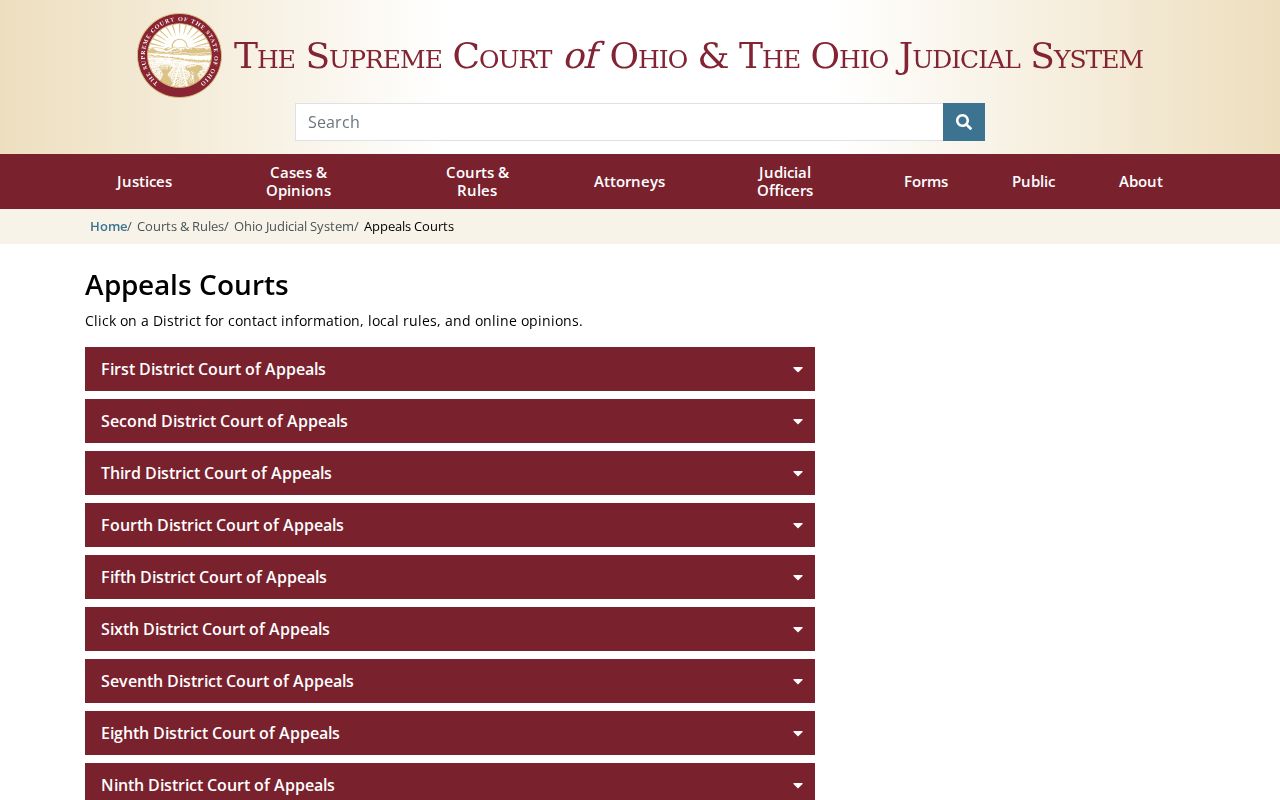
An appellate docket stays separate from the trial-court docket that produced it. The Census QuickFacts profile reports Clermont County's 2020 Census count and its 2025 estimate.
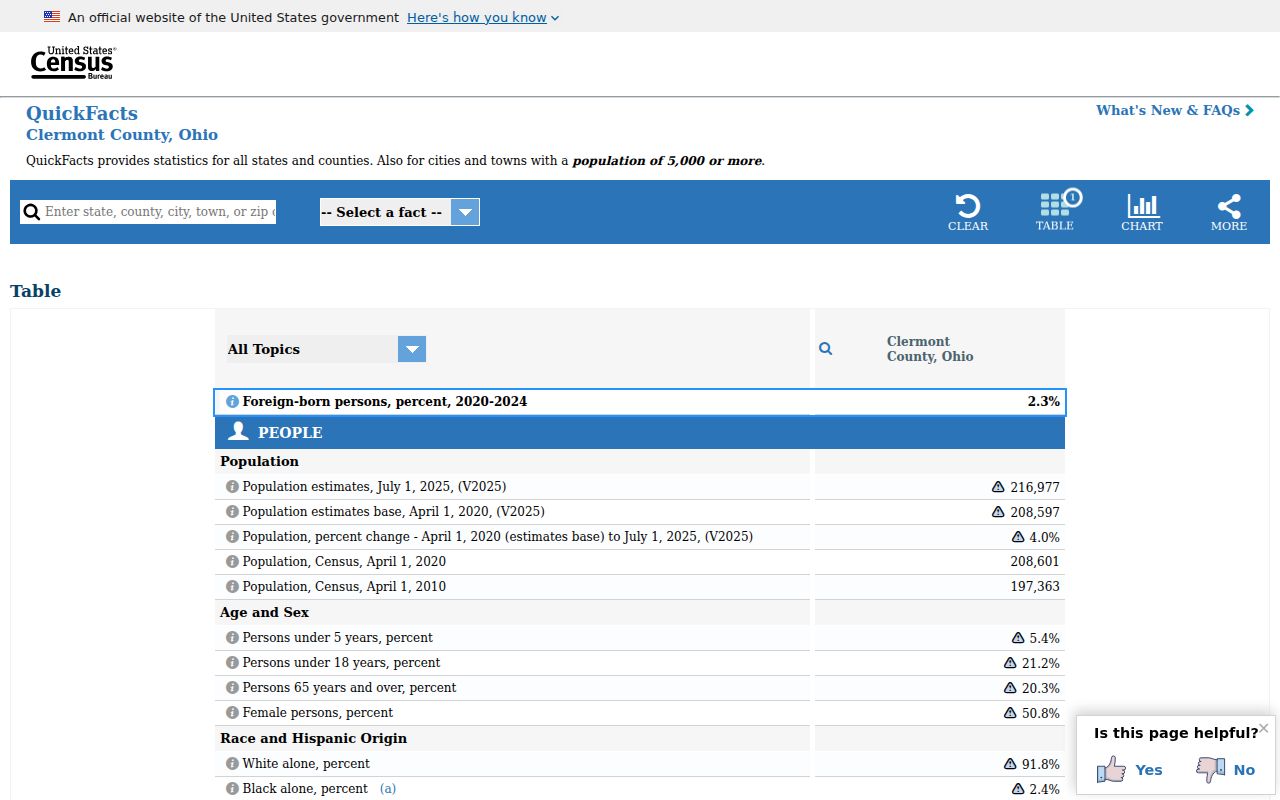
Clermont's growth helps explain why its court docket system splits across several specialized courts and clerk offices. The Ohio Supreme Court explains current court-management reporting on its case-management information page.
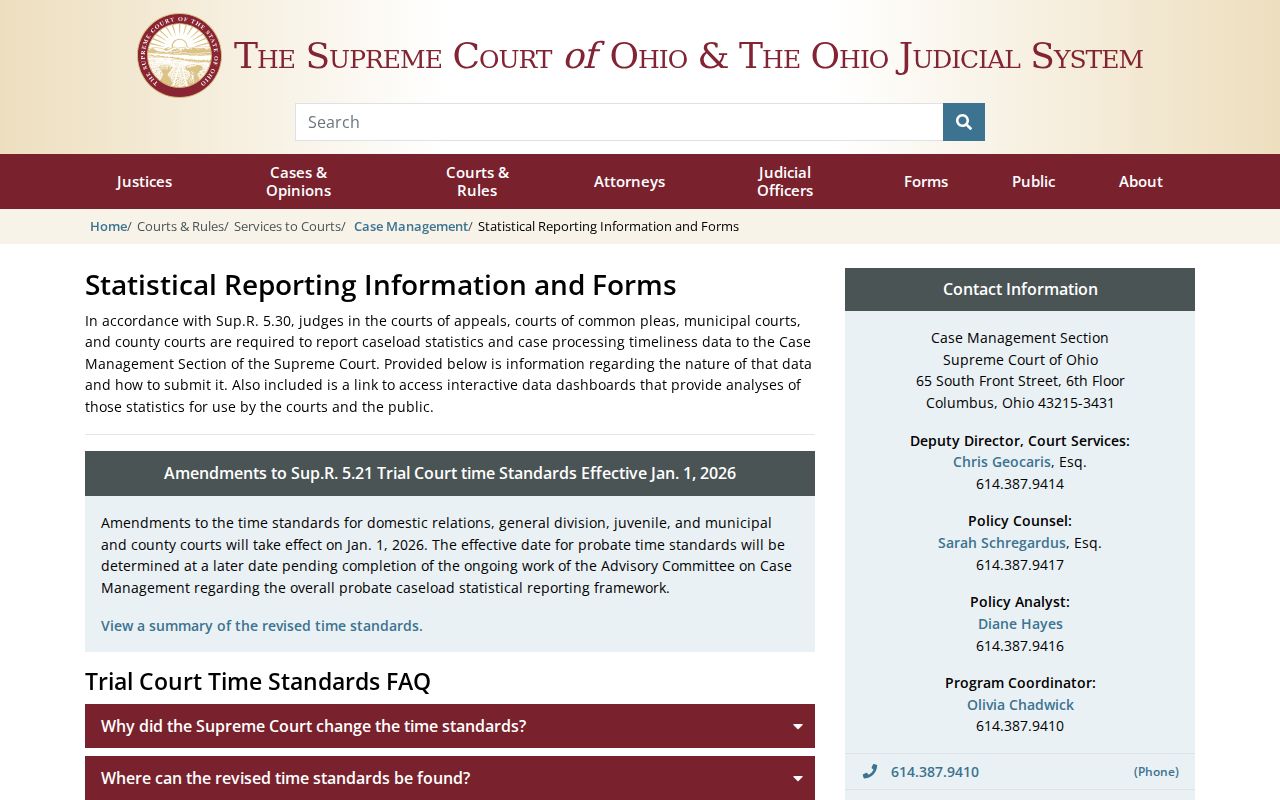
Ohio's revised case-management standards took effect in 2026. Still, any individual Clermont hearing date must be confirmed with the responsible court.
Map and Directions to the Clermont County Common Pleas Courthouse
Common Pleas General Division felony and general-civil docket files are kept at the Clermont County Common Pleas Courthouse, 270 East Main Street, in Batavia. The clerk's General Division counter accepts filings on the first floor. The Assignment Office, the office that maintains and confirms trial and hearing dates rather than filed documents, sits on the second floor next to the main lobby, across from Courtroom 201.
Common Pleas General Division Clerk
270 E. Main Street
Batavia, OH 45103
513-732-7130
Clerk counter: Monday through Friday, 7:30 a.m. to 4:00 p.m.; court sessions 8:00 a.m. to 4:30 p.m.
The court advises arriving early for mandatory health/security screening. Building schedule changes should be confirmed with the Assignment Office at 513-732-7108 rather than assumed from a posted weekly docket. The courthouse is wheelchair-accessible with elevators serving courtroom floors and ramps elsewhere; call ahead for a special accommodation.